The Beginning of Lions Clubs in Nepal
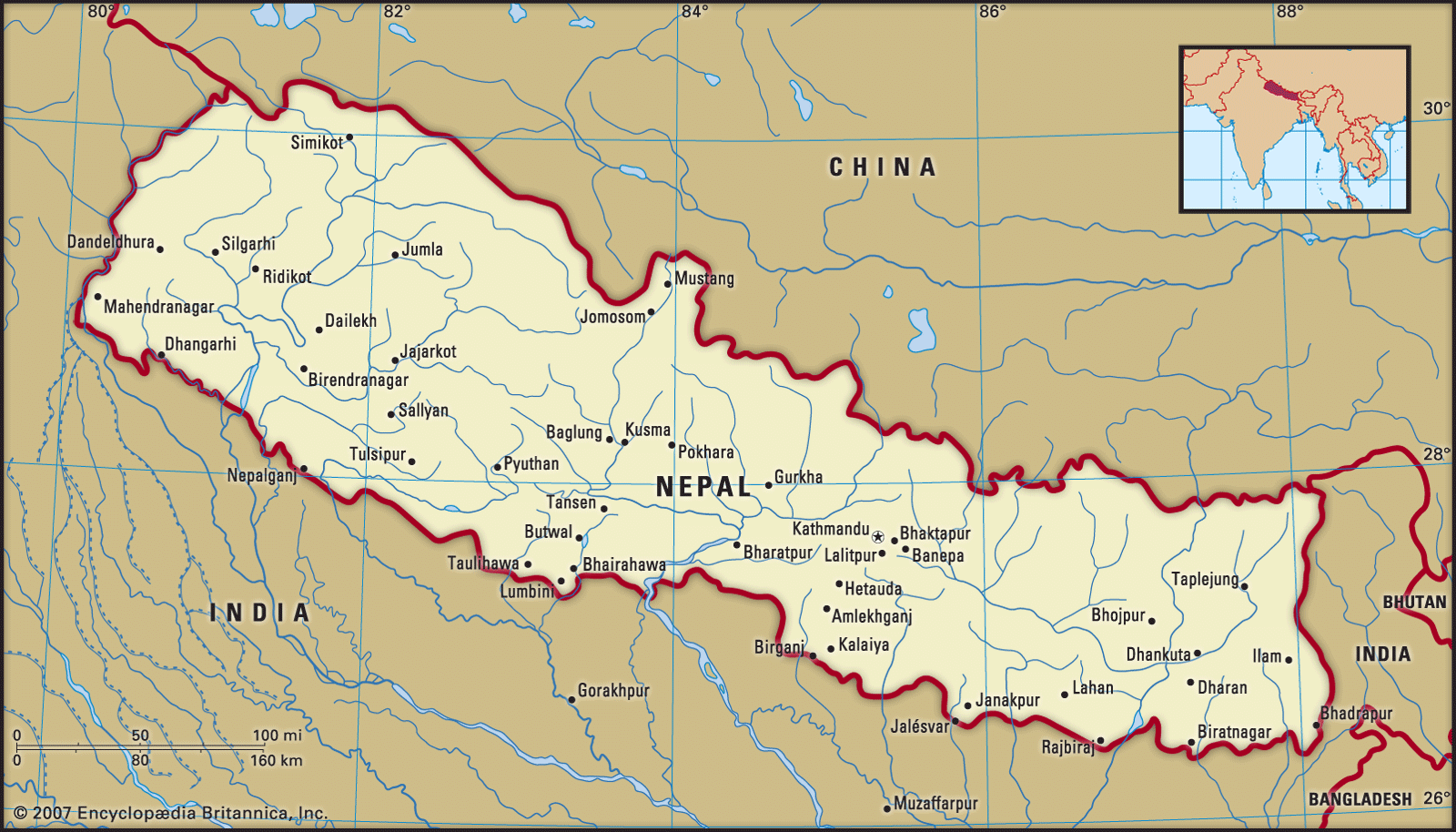
The journey of Lions Clubs in Nepal began in 1971 with the chartering of the Lions Club of Biratnagar, under the leadership of former Prime Minister Lion Matrika Prasad Koirala. Sponsored by the Lions Club of Ajmer, India, this club laid the foundation for a movement that would grow to impact communities across the country. Lion P.C. Jain served as the extension chairperson, guiding the fledgling organization through its initial projects and programs.
Following this, the Lions Club of Kathmandu was established in 1972. The club was chartered on July 12, 1972, with Prof. Dr. Anjani Kumar Sharma as its first Charter President. This marked the expansion of Lionism into the nation’s capital, providing a model for future clubs and inspiring young leaders to participate in social service.
From these two initial clubs, Lions Clubs in Nepal steadily expanded, driven by the motto “We Serve”, which became the guiding principle for every member.

🌍 Growth and Expansion Across Nepal
Over the decades, the network of Lions Clubs in Nepal grew rapidly. By 2020, there were over 2,000 Lions Clubs, prompting the formation of 15 distinct districts to better organize and manage activities. This expansion allowed for a more structured approach to addressing the needs of communities in urban and rural areas alike.
The establishment of Multiple District 325, divided into smaller districts like A1, A2, B1, and B2, helped coordinate the increasing number of clubs and fostered collaboration among them. This structure ensured that projects could be implemented effectively, and resources could reach the areas that needed them most.
Today, Lions Clubs in Nepal are more than just organizations — they are a nationwide network of volunteers committed to service, leadership, and humanitarian development.
🏥 Humanitarian Impact of Lions Clubs in Nepal
Lions Clubs in Nepal have had a profound impact on the lives of countless individuals and communities. Some of the key areas of focus include:
1. Vision and Eye Care
Through the SightFirst Program, Lions Clubs in Nepal perform over 25,000 cataract surgeries annually, restoring sight to thousands of individuals who would otherwise live in blindness. Free eye camps, screenings, and the distribution of eyeglasses have transformed the lives of people in remote and underserved regions.
2. Disaster Relief
Nepal is prone to natural disasters such as earthquakes, floods, and landslides. Lions Clubs have been at the forefront of relief efforts, providing food, clean water, temporary shelters, and emotional support to affected communities. During the 2015 Gorkha earthquake, Lions volunteers played a critical role in helping thousands of families rebuild their lives.
3. Health Initiatives
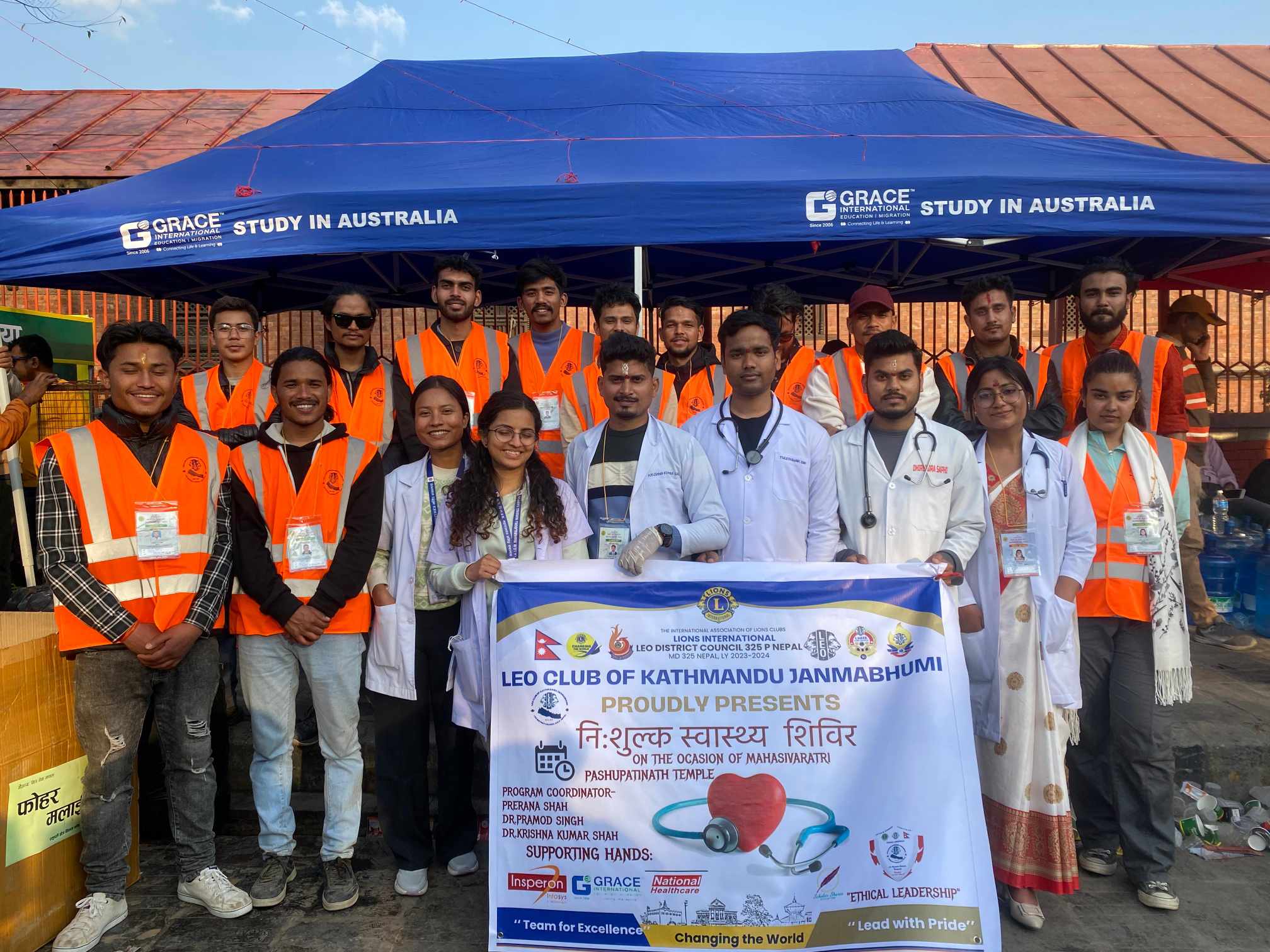
Lions Clubs organize blood donation drives, diabetes awareness programs, and health camps, offering access to essential medical care for those who cannot afford it. These initiatives not only improve physical health but also educate communities on preventive measures and healthy living.
4. Education and Youth Empowerment
Lions Clubs contribute to education by establishing schools, libraries, and scholarship programs, giving children and youth the tools they need to succeed. Through programs like these, young people are encouraged to engage in social service and community leadership, ensuring the next generation continues the tradition of service.
5. Environmental Protection
Tree plantation drives, clean-up campaigns, and environmental awareness initiatives are another key focus area. Lions Clubs understand that a healthy environment supports a healthy community, and they encourage youth and community members to actively participate in sustainable practices.
🌱 Linking History with Today’s Scenario
The legacy of Lions Clubs in Nepal is visible in today’s social work landscape, especially through the engagement of youth organizations like Leo Clubs. Established for young people aged 12 to 30, Leo Clubs provide a platform for service-minded youth to develop leadership skills, empathy, and social responsibility.
In the present-day scenario, Nepal faces numerous social challenges, including:
-
Poverty in rural and mountainous regions
-
Education gaps, particularly for girls and marginalized communities
-
Health crises and limited access to medical care in remote areas
-
Environmental issues, including deforestation and river pollution
Leo Clubs, guided by Lions mentors, actively work to address these issues. For example:
-
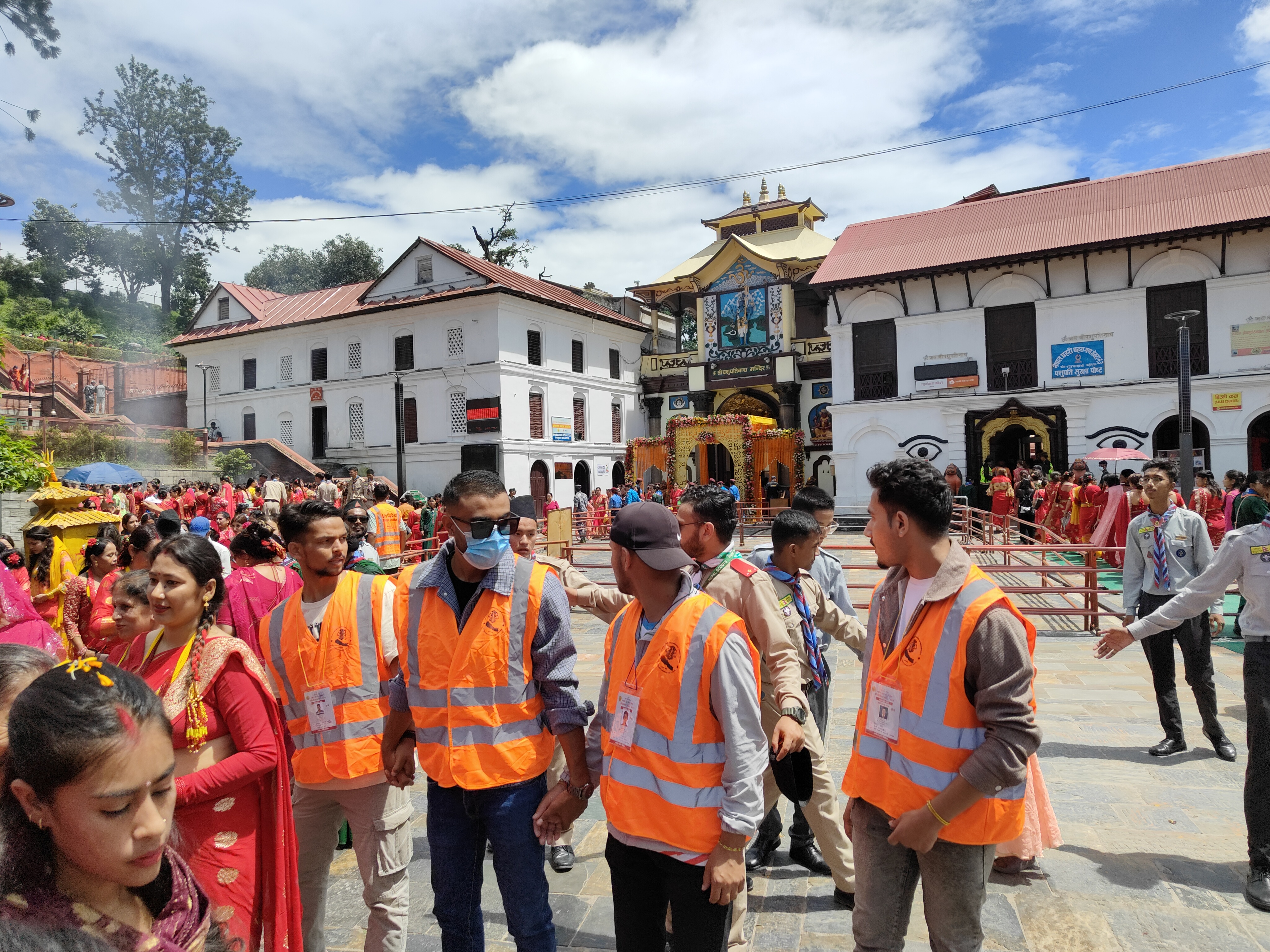
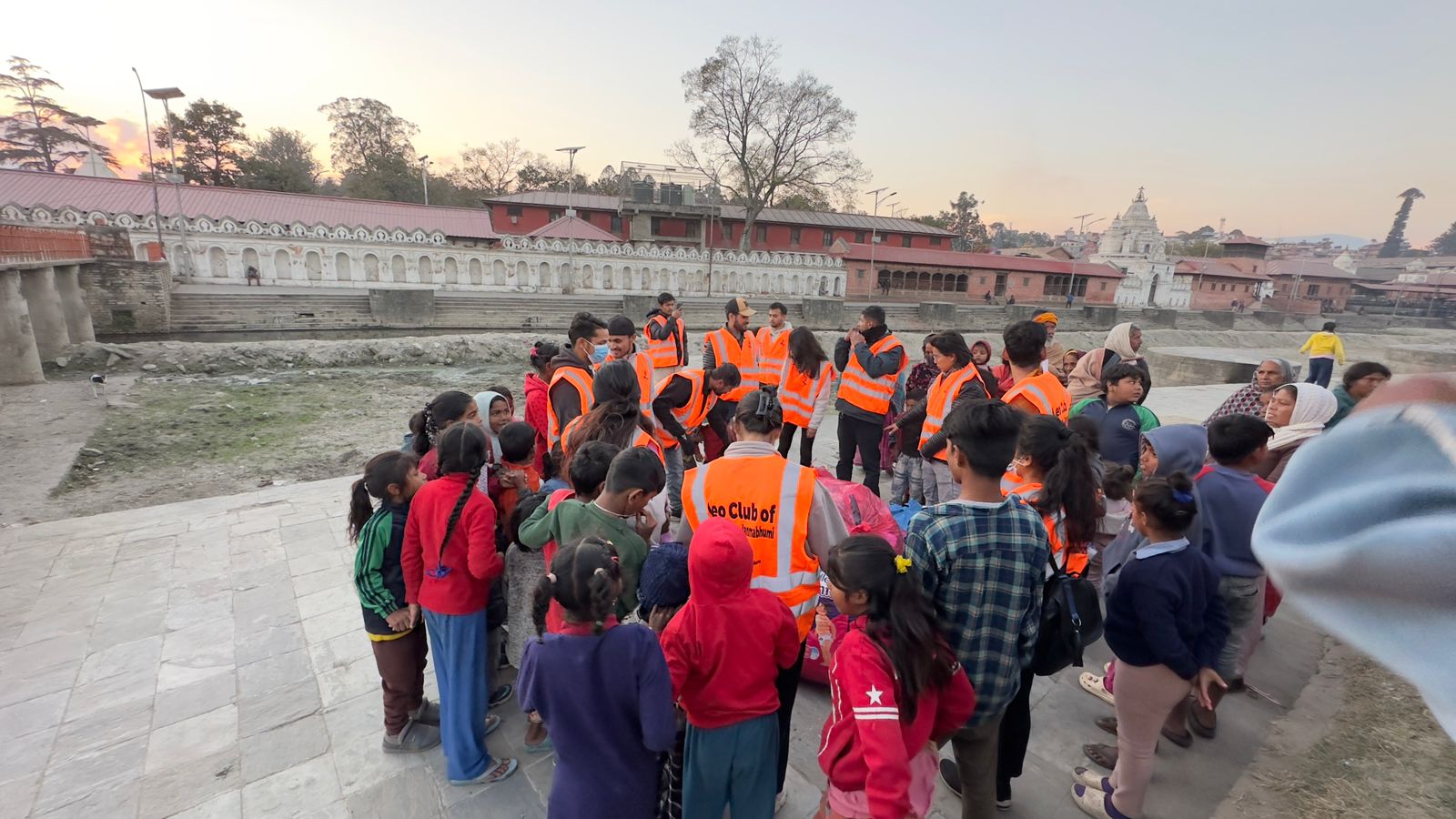
Community clean-ups in Kathmandu and nearby towns help maintain public spaces.
-
Tree plantation drives combat environmental degradation and encourage youth to be eco-conscious.
-
Blood donation and health awareness programs save lives and educate communities.
-
Educational workshops provide skills and guidance for underprivileged youth.
These actions reflect the ongoing relevance of the Lions’ founding principles — service, leadership, and community development — in today’s Nepal.
💛 Why Social Work is Important Today
Social work is vital for the development of a compassionate and progressive society. In Nepal, it addresses critical gaps where government resources may be limited. Through social work, individuals learn the value of empathy, cooperation, and proactive problem-solving.
For young people, participation in social work:
-
Develops leadership and organizational skills
-
Fosters empathy and understanding for others
-
Builds confidence through real-world problem-solving
-
Creates a sense of purpose and contribution to society
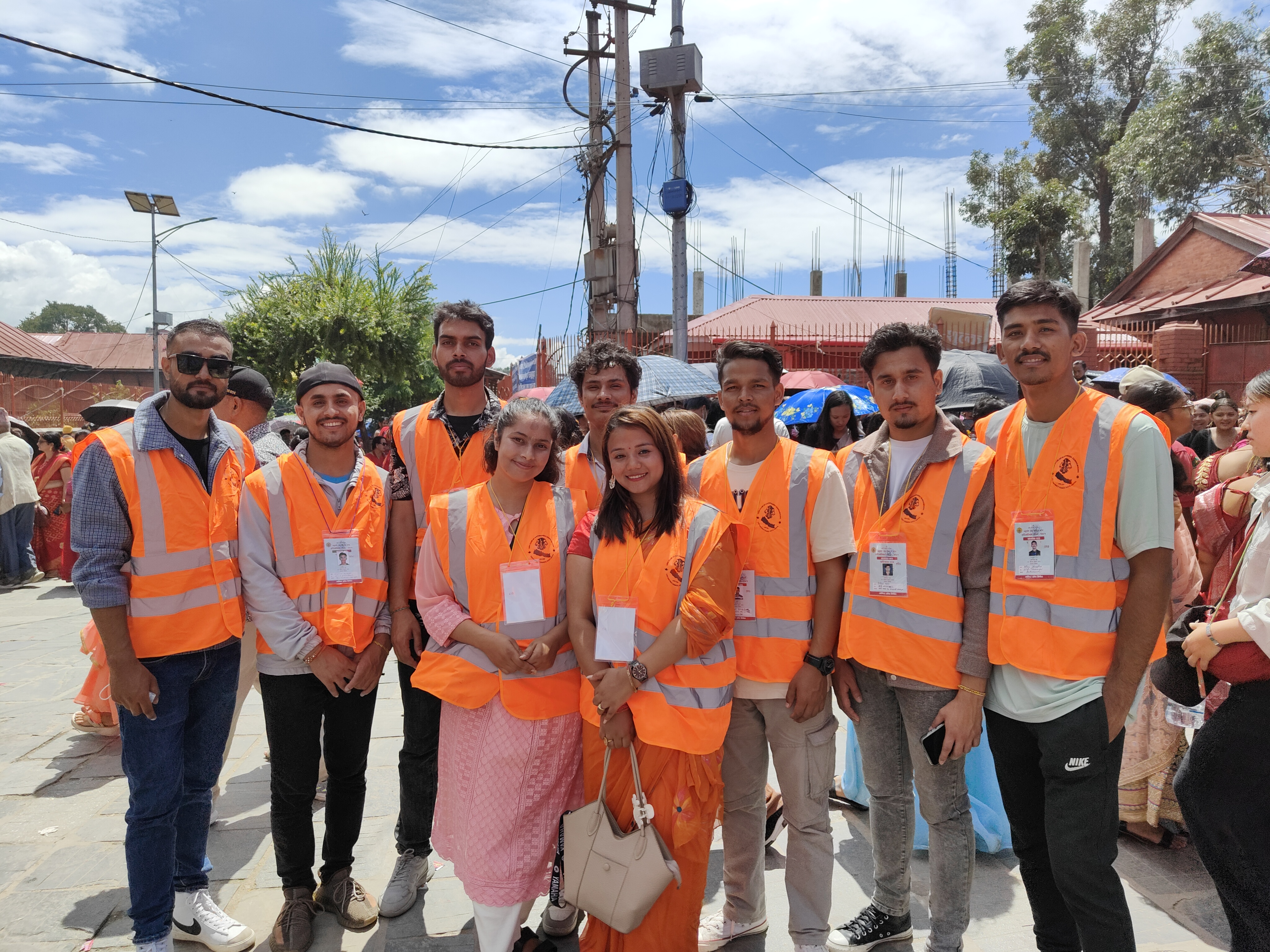
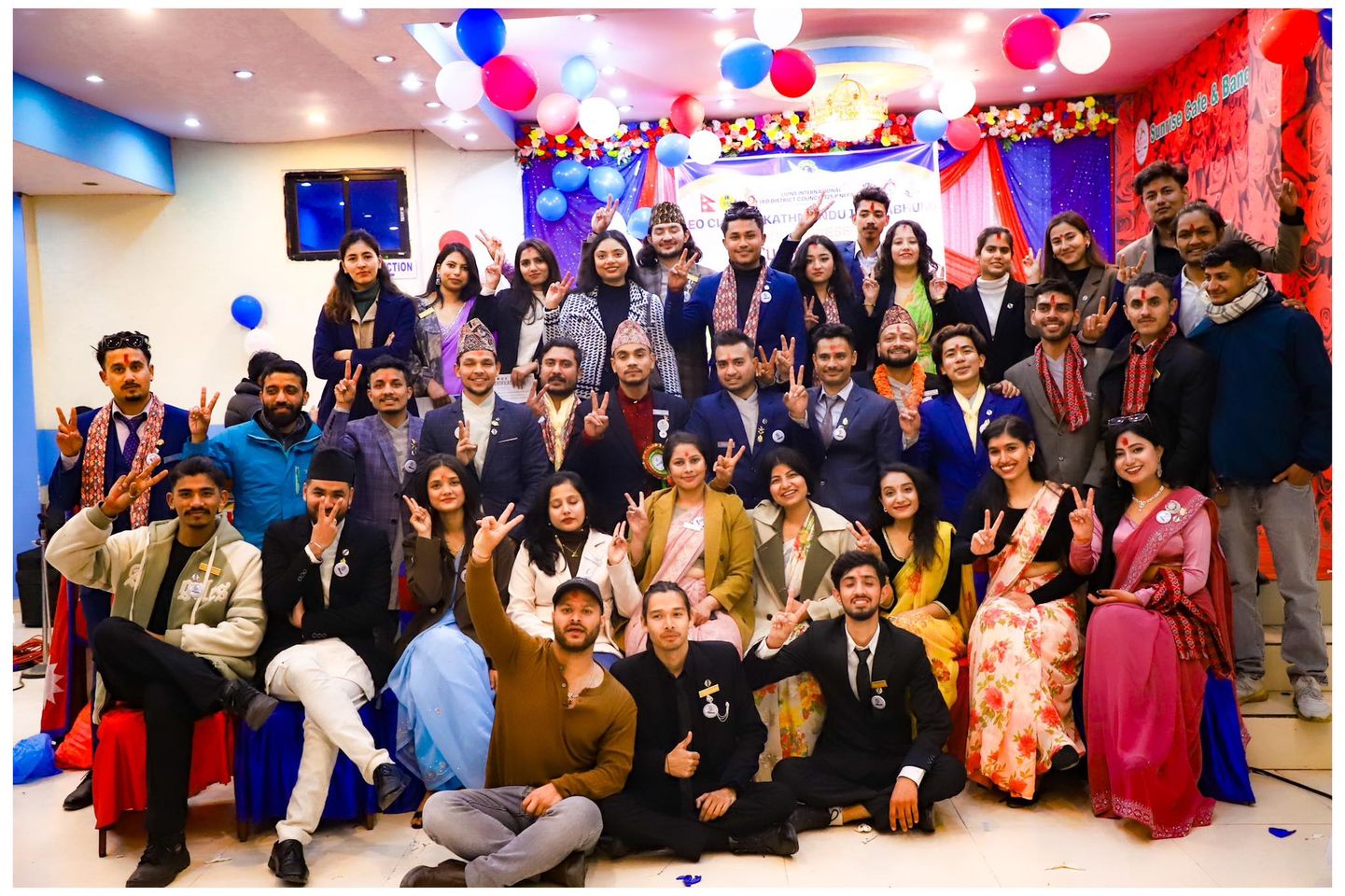
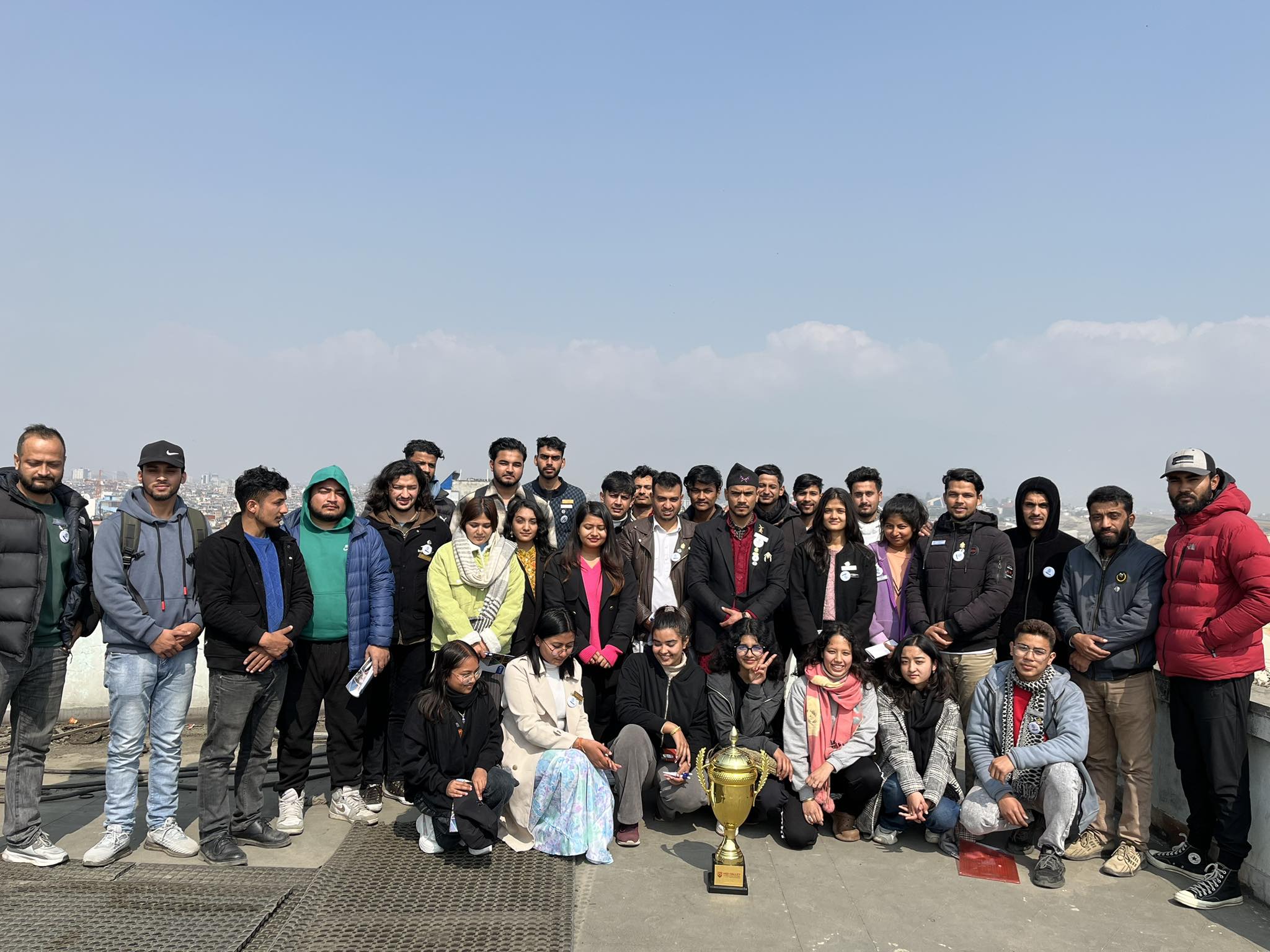
At Leo Club of Kathmandu Janmabhumi, we see this every day. Our members gain hands-on experience in leading projects, organizing campaigns, and connecting with community members. Through these experiences, they grow into responsible and socially conscious adults who continue the legacy of Lions Clubs.
🌟 A Vision for the Future
Lions Clubs in Nepal have come a long way from their humble beginnings in Biratnagar in 1971. Today, with the active participation of Leo Clubs and young volunteers, the vision of a Nepal where communities thrive through service, education, and health awareness is steadily becoming a reality.
The key to sustaining this progress lies in continued youth engagement, collaboration between Lions and Leo Clubs, and a focus on innovative social projects that address the evolving needs of society. Every tree planted, every child educated, and every life improved is a step toward a stronger, more compassionate Nepal.
📍 Conclusion
The establishment of Lions Clubs in Nepal over 50 years ago marked the beginning of a transformative journey in humanitarian service. From the first club in Biratnagar to over 2,000 clubs nationwide, Lions Clubs have demonstrated the power of organized volunteerism in improving lives.
Today, the collaboration between Lions Clubs and youth-led Leo Clubs ensures that the spirit of service continues to thrive. Social work in Nepal is not just about meeting immediate needs — it’s about building a better, sustainable future, inspiring youth to lead, and creating communities where everyone has the opportunity to grow and prosper.
At Leo Club of Kathmandu Janmabhumi, we proudly carry forward this legacy, showing that when young people serve, the entire nation grows. By engaging in social work, we not only transform our communities but also transform ourselves into empathetic, responsible, and visionary leaders.